Probiotics in Pregnancy for Mother and Infants
Updated Sep 30, 2025
by
Pregnancy involves an impressive array of physiological, hormonal, metabolic, and immune changes, all in an effort to accommodate the changes in a woman’s body and the new growing fetus she hosts. There are also changes in the oral, gut, and vaginal microbiome during this time. All of these changes make pregnant women more vulnerable to bacterial, viral, and fungal infections of all kinds, but also vulnerable to more severity of any one of these infections. These changes include the altered composition of the microbiome during pregnancy and are associated with vulvovaginal infections such as candida and bacterial vaginosis, but also to urinary tract infections, gingivitis, and complications such as gestational diabetes, pre-eclampsia and pre-term delivery.
Microbiome changes in the mother also play a role in the immune and metabolic health and development of the infant. The gut microbiome of the infant is in part formed from microbes transmitted from the mother’s microbiomes of her skin, intestine, mouth, vagina, and even breast milk.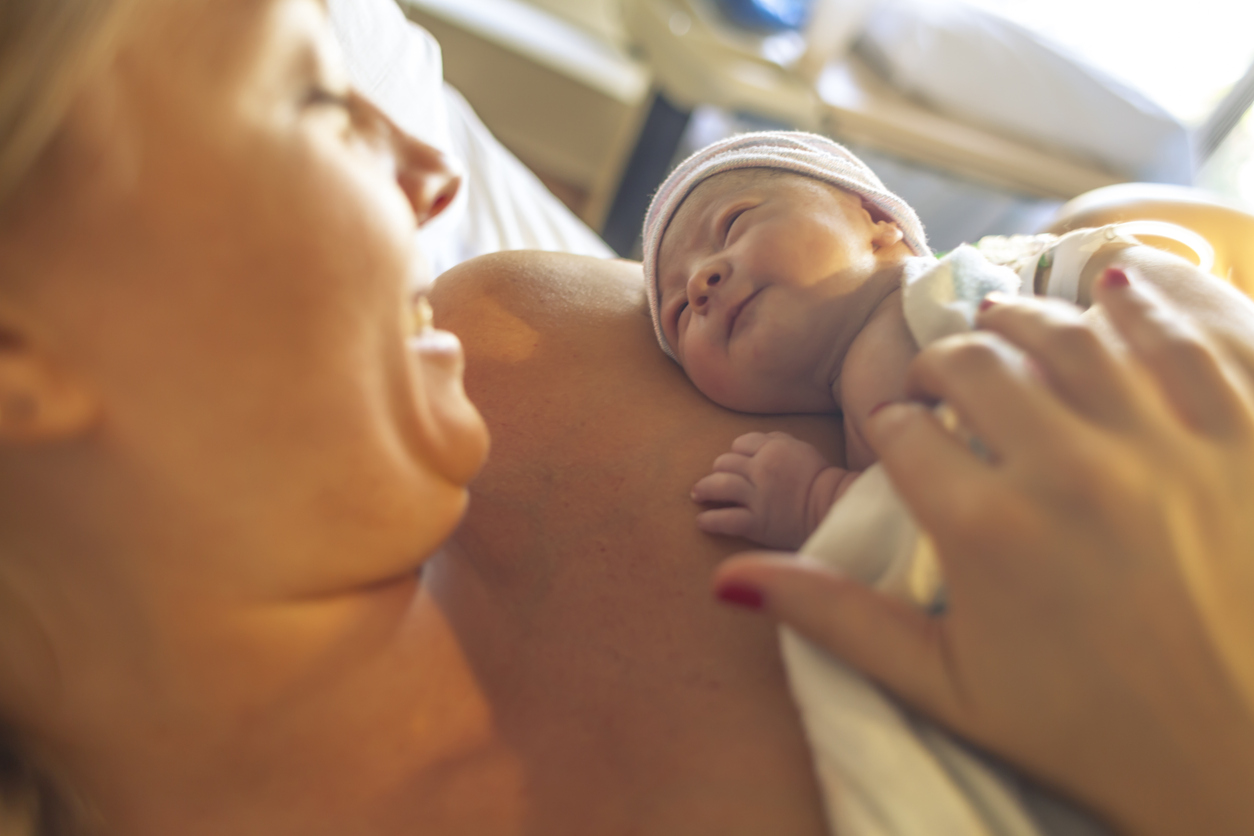
The use of supplementing with probiotics can be a strategy for trying to regulate these changes in the microbiome which may be able to reduce infections and complications during pregnancy and postpartum, as well as support the health of the infant.
This clinical trial, published in May 2025 was a randomized, double-blind, placebo-controlled, parallel-arm study to determine the effect of probiotics on the risk of infection in pregnant women and their newborns and their microbiomes.
One of the randomized groups received a probiotic consisting of 5 billion CFU of Lactobacillus rhamnosus and Bifidobacterium bifidum and the other group received a placebo. Both groups ingested one capsule per day for 12 weeks prepartum (third trimester) and 4-6 weeks post-partum.
The primary outcome was the number of diagnosed infections in pregnant women. Secondary outcomes were focused on the health of both mother and infant. Many tools were used to collect data including blood tests, capillary glycemia, weight, saliva samples, vaginal swabs, stool samples for mothers and infants, breast milk samples, and anthropometric measurements of the infant.
A summary of key results:
- A significantly lower number of women with one or more infections in the probiotics group (8 vs. 19).
- A trend towards a lower number of infections during pregnancy in the probiotics group.
- Women who received probiotics had less bacterial vaginosis infections (the most common infections) compared to placebo.
- Lower number of days with infections during the first month of life for the newborns in the probiotics group (4.7 days on average vs. 10.5 days) although no difference in the actual number of infections between the two groups.
- The vaginal microbiota composition during pregnancy and after birth showed no significant differences between groups (women were not stratified based on whether vaginal or C-section delivery as there were a low number of planned C sections).
- The infant’s gut microbiome had a significantly higher amount of beneficial bacteria in the probiotics group. They were able to determine that these benefits were especially prominent when considering vaginal delivery vs. C-section and the results were more favorable for the vaginal delivery infants.
- Infants in the probiotics group exhibited higher amounts of Bifidobacteria, Streptococcus, Bacteroides and Staphylococcus and lower amounts of Escherichia/Shigella, Klebsiella, Enterococcus, Corynebacterium, Veillonella and Prevotella compared to infants in the placebo group. This pattern of higher amounts of beneficial bacteria and lower amounts of pathogen or opportunistic pathogens suggest a favorable composition in the probiotics group.
Commentary and Conclusion: It is useful to see this study which included an analysis of the breast milk and infant gut microbiota, as well as the transmission from mother to infant. The limitations of this study were the overall number of infections being reported by the mothers was small. While the women recruited for this study were healthy, it would be useful to also recruit women with a history of recent or recurrent infections and then determine the effect of the probiotic on them as well.
Other information we could have gleaned would be if stool samples of the infant were collected over a longer period of time to track changes in the composition of the gut microbiota over time. I would have also been curious to track with ongoing vaginal swabs the restoration of the vaginal microbiota over a longer number of months.
All in all, though, this study demonstrates that the consumption of this 5 billion CFU probiotic during the third trimester of pregnancy does in fact contribute to reducing the rate of infections in pregnant women as well as benefitting their newborns including a shorter duration of infections, enhanced gut colonization of beneficial bacteria and population of key species.
Reference: Binda S, Chow-Shi-Yee M, Salti S, et al. The effect of probiotics on health in pregnancy and infants: A randomized, double-blind, placebo-controlled trial. Nutrients 2025;17:1825
Subscribe to the Blog
Occasional updates with new articles, education, and media. No hype.