Ultraprocessed Foods and Cardiometabolic Health
Updated Sep 23, 2025
by
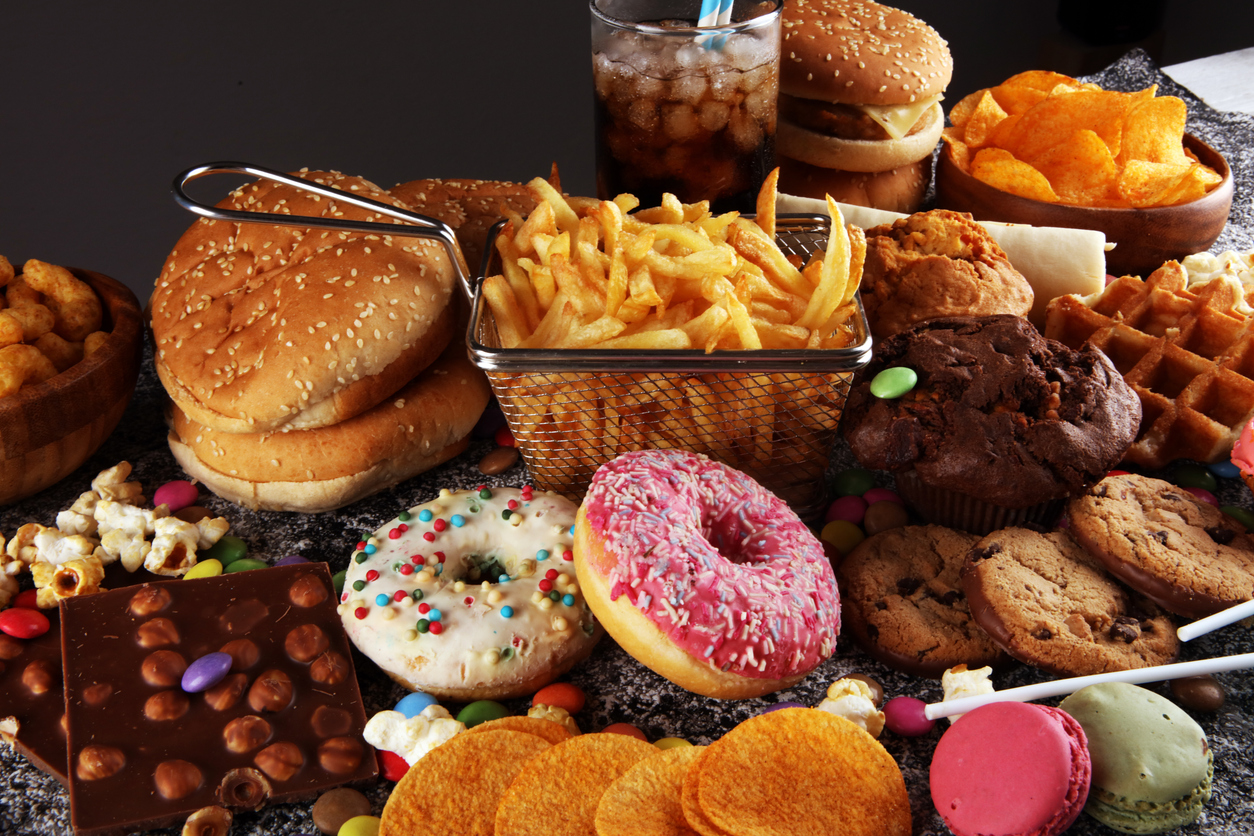 Chips, sodas, donuts, cookies. So tempting to so many, so bad for all of us, and we in the U.S. eat way too much of these foods. Data from the Centers for Disease Control and Prevention (CDC) from 2021-2023 show that those aged 1 year and older consume an average of 55% of their calories from ultraprocessed foods. And for kids aged 1-18, the number is 62% of their diet. Wow! Wow! And Wow!!!!!
According to the American Heart Association (AHA), after summarizing the research, they highlight how diets high in these food products are consistently linked with higher risks of cardiovascular disease, type 2 diabetes and higher rates of mortality. Most of these ultraprocessed foods are dense in calories, high in saturated fats, high in seed oil fats, high in sodium, and added sugars.
You might be curious what the term, ultraprocessed means. Ultraprocessed foods are grouped using the NOVA food classification system. This system categorizes foods into four groups based on the nature, extent, and purpose of industrial processing: Group 1: Unprocessed or Minimally Processed Foods (fresh or dried fruits, milk, raw meats), Group 2: Processed Culinary Ingredients (oils, salt, sugar), Group 3: Processed Foods (canned vegetables, simple cheeses, bread), and Group 4: Ultra-Processed Foods (industrial formulation with many ingredients, like sugary drinks, chips, and ready-to-eat meals, chemicals or additives with no culinary use but intended to enhance appearance, flavor or texture). Ultraprocessed foods exist to enhance shelf life, control microbial growth, lower cost of some foods, but also, to get us hooked on the stuff.
One problem with the NOVA classification system is it does not account for nutritional quality. For example, there are some ultraprocessed foods, let’s say chips, which might be made with a whole grain or a bean and have a healthier oil in them such as avocado oil or olive oil. This would be of more nutrient value than most others in the same category.
Besides the salt, sugar, bad oils and chemicals in ultraprocessed foods, consider also they are low in fiber and thus rapidly absorbed in the gastrointestinal tract. This can cause glucose/insulin dysregulation, both immediately (the “crash”), and contribute long term to type 2 diabetes. Ultraprocessed foods may also lead to obesity, through overconsumption with additives, flavorings, and other ingredients meant to accelerate consumption and influence our brain’s reward and desire chemistry. In addition, the high heat treatment required to make some of these ultraprocessed foods may create harmful compounds in the process, let alone the bisphenols, phthalates, and microplastics in all the packaging leaking into the foods and our environment. It all goes somewhere. Some of the additives like emulsifiers can alter our microbiome and metabolism in the gastrointestinal tract, contributing to an increase in chronic inflammatory disease.
We won’t get into agriculture subsidies that have fostered the making of many ultraprocessed foods (they had to do something with all the corn and soybeans) and loopholes allowing companies to get around food additive safety regulations. I do not know enough about the history and web of these things to speak well and accurately about it further.
For now, we should focus on the research and advisories from groups like the American Heart Association: reduce the intake of most ultraprocessed foods and replace them with vegetables, whole grains, fresh fruits, legumes, nuts, seeds, healthy oils, seafood, low fat dairy, and lean poultry and meat. Replace soda pops with natural flavored waters, herbal teas, and oh… how about just good clean water.
We can teach ourselves, each other, or the clients we work with how to make these changes and what are healthy choices. Ultimately, making these shifts starts with self, the home, health care providers, but also a societal, manufacturer, and governmental change.
I think I’ll go snack on some fresh local hazelnuts (no added salt, sugar or oils) .
Subscribe to the Blog
Occasional updates with new articles, education, and media. No hype.